When you're watching a football game, certain members of the team may be in the spotlight more than others: the quarterback, the running back – or even the coach.
But there can also be two important “unsung heroes” on a team’s sidelines that sometimes go unnoticed but play an integral role:
The athletic trainer
The team physician
"It takes having members of the team with the right education, training and expertise to make sure every player is safe and performing at their best," says Jeff Baggett, Director of Sports Medicine Development and Community Engagement at Children's Health℠ Andrews Institute for Orthopaedics & Sports Medicine. “We created a model typically only seen with professional athletes and put it in place within Children's Health System so it’s available to youth athletes as well.
The role of an athletic trainer
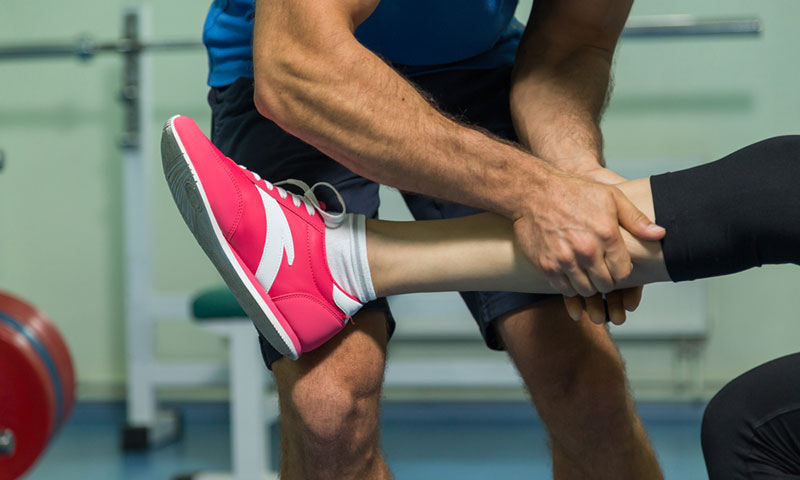
Athletic trainers are specially trained to provide care for athletes – before injury, at the time of injury, and throughout the entire rehabilitation process.
The role of an athletic trainer includes:
Prevention of injuries
Examination of new injuries, chronic injuries or certain medical conditions
Diagnosis of injuries and other conditions
Treatment and rehabilitation of emergency, acute or chronic injuries
When they work specifically in schools, athletic trainers:
Manage day-to-day athletic operations.
Make use a full injury and rehab equipment package to manage most emergency situations, immediately, on-site.
Reach out to doctors and physical therapists – and make referrals, as needed.
Facilitate communication between referees, coaches and parents when an injury happens.
Help create a wellness culture that supports every aspect of a student’s athletic healthcare.
Provide schools with direct access to comprehensive medical care.
“Athletic trainers help provide cohesive, comprehensive care, which makes participation in sports less stressful for both parents and athletes,” says Brianna Bradshaw-Willis, Athletic Trainer at Children’s Health Andrews Institute.
Athletic trainers also help educate parents around:
Questions about sports nutrition, hydration, or disordered eating
How to best recover after workouts
An athletic trainer will create the optimal set of circumstances for each athlete individually," Baggett says. "They can identify where a player has any issues or weaknesses that may lead to further injury, and treat the athlete holistically because they understand the unique stressors of each sport."
The role of a team physician
A team physician is a doctor (often an orthopedist), who dedicates their time to be on the sidelines on game days and for other medical issues. They may also assist in parent education or set aside specific treatment time for players.
The team physician and athletic trainer constantly communicate with each other to help provide cohesive, coordinated care. And this more cohesive care can lead to better outcomes and a faster return to play in the case of an injury.
The benefits of an athletic trainer and team physician for student athletes
Working together, the athletic trainer and team physician can get to know specific player’s health conditions and their training needs or limitations. And by developing personalized relationships and training programs, they help minimize the risk of serious injury – and expedite quick treatment for any type of injury, including:
Sprains
“As athletic trainers for student athletes at Children’s Health, we provide expert, timely holistic care for kids on-site – and essentially become part of the family. And I don't feel like you're going to get that anywhere else,” says Bradshaw-Willis.
Learn more
The Children's Health Andrews Institute for Orthopaedics and Sports Medicine provides full-spectrum sports medicine including injury prevention, diagnostics, nutrition, performance training, rehabilitation and concussion services. With locations in Dallas, Plano, Frisco, Prosper and Fairview, we’re able to provide more young athletes with prompt, convenient, expert care – in a facility designed especially for them.

SUBSCRIBE
Children’s Health Family Newsletter
Get personalized advice from Children’s Health experts sent straight to your inbox twice a month.
Related Departments
Orthopedics and Sports Medicine
Children's Health Andrews Institute for Orthopaedics & Sports Medicine specializes in sports injuries, injury prevention, rehabilitation and performance. Our team provides treatment for spinal conditions, concussions and more, and offers individualized sports performance training and nutrition plans.
Sports Medicine Center
Our dedicated team of specialists emphasize early access and intervention to reach the best outcome. We get your child an accurate diagnosis quickly and initiate a plan of care to expedite recovery, with an emphasis on a full return to activities.
